Why the Warehouse Execution System Isn’t What You Think It Is
I was onsite with a new prospect recently when the topic of Warehouse Execution Systems (WES) came up.
Their first question?
“Do you compete with XYZ Automation Vendor?”
I said no. Our focus isn’t on robots—it’s on orchestration and decision-making across the entire warehouse.
But what really stuck with me wasn’t the question. It was how they found us.
Here’s what happened:
1️⃣ They knew they had a problem managing flow across their warehouse—labor, automation, priorities, bottlenecks.
2️⃣ They started researching WES platforms as a possible solution.
3️⃣ What they found? Most were robot-specific. They didn’t manage labor, couldn’t coordinate across systems, and definitely weren’t built to orchestrate the full operation.
4️⃣ Frustrated, they turned to the analyst community and asked: “Is there anyone who actually does this?”
5️⃣ The analyst (fortunately) pointed them to AutoScheduler.AI.
This disconnect happens all the time.
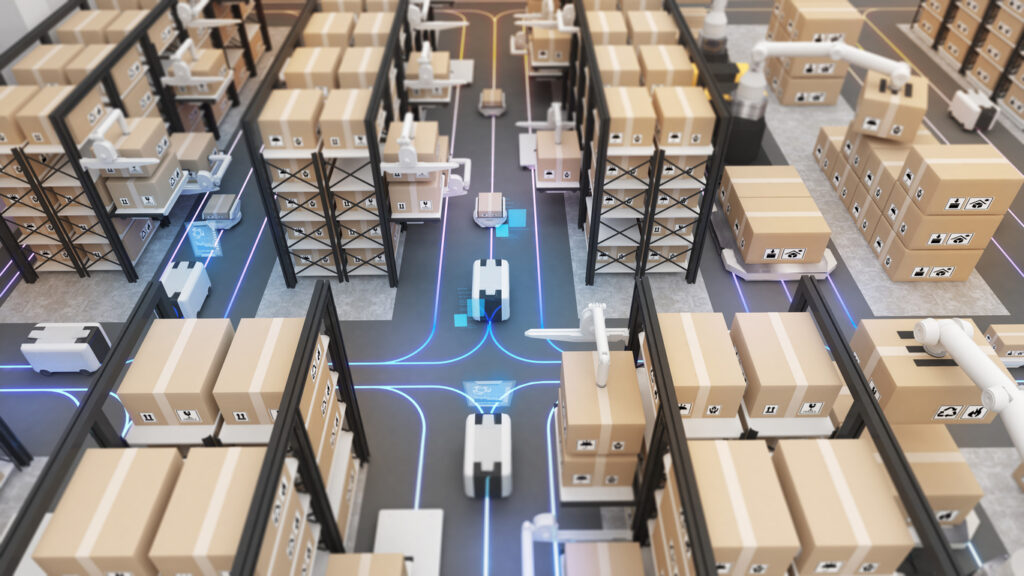
The term Warehouse Execution System sounds like a broad orchestration layer. But in reality, many WES solutions are just sophisticated robot controllers—great for one part of the puzzle, but blind to the bigger picture.
What this company needed was a real-time Orchestration layer—one that aligns labor, automation (agnostically), inventory, and workflows holistically.
That’s exactly what we’ve built. And it’s why we’re leaning into the next evolution of WES: Agentic AI.
Agent-based systems don’t care what software you’re running or who made your robots. They operate at the orchestration level:
- Monitoring constraints across labor, inventory, automation, and demand
- Making real-time, optimal decisions
- Communicating across systems and other agents
- Escalating to humans only when necessary
If you’ve ever run into this same WES gap—or wondered what comes after point solutions and rigid workflows—I put together a whitepaper that breaks down the full framework:
Would love to hear—have you seen this same disconnect in your organization?