
Automation Isn't the Problem. The Workflow Around It Is.
Most warehouses invest heavily in automation to increase throughput. But when labor, order flow, and dock operations aren’t synchronized, automation systems spend significant time waiting for work instead of moving it.
Why Warehouse Automation Sits Idle
Warehouse automation often sits idle because upstream and downstream processes are not synchronized. When labor allocation, order sequencing, and dock flow are not aligned with automated systems, work arrives too early, too late, or in the wrong sequence, creating queues, congestion, and idle automation.
The Industry Belief
Automation Solves Warehouse Productivity
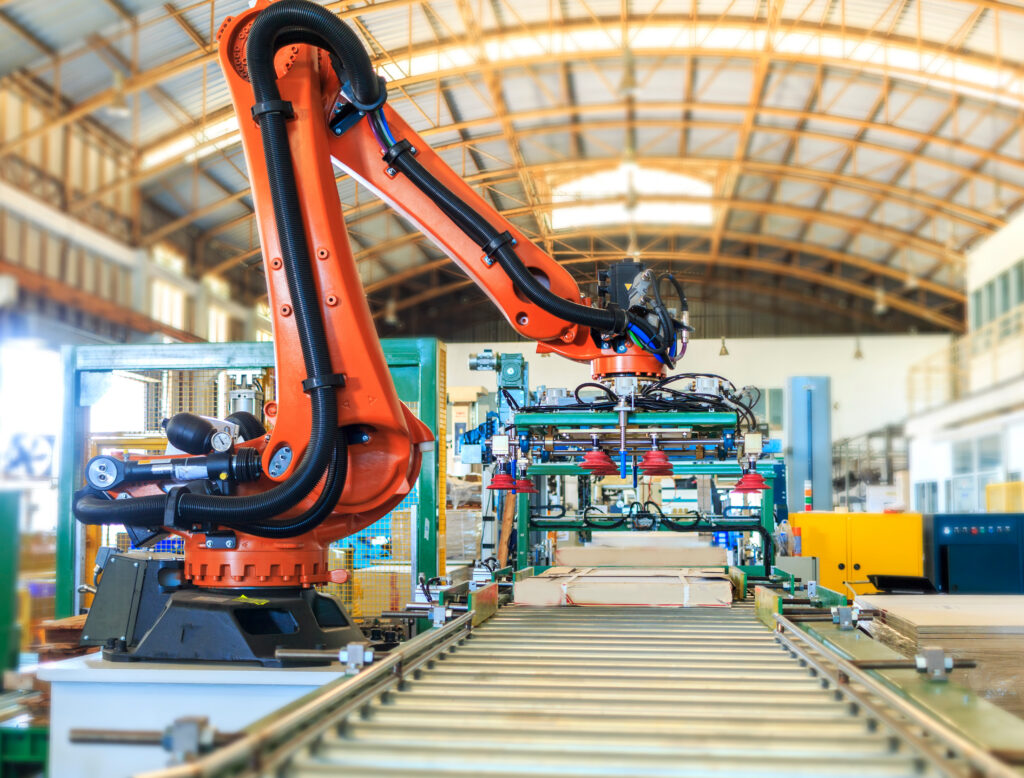
Many organizations invest heavily in warehouse automation technologies to increase throughput and reduce labor dependency.
Typical investments include:
- robotic picking systems
- automated storage and retrieval systems (AS/RS)
- conveyor networks
- automated sortation systems
- goods-to-person technology
Industry Report
The Missing Link to Resource Utilization
The Reality: Automation Depends on Operational Flow
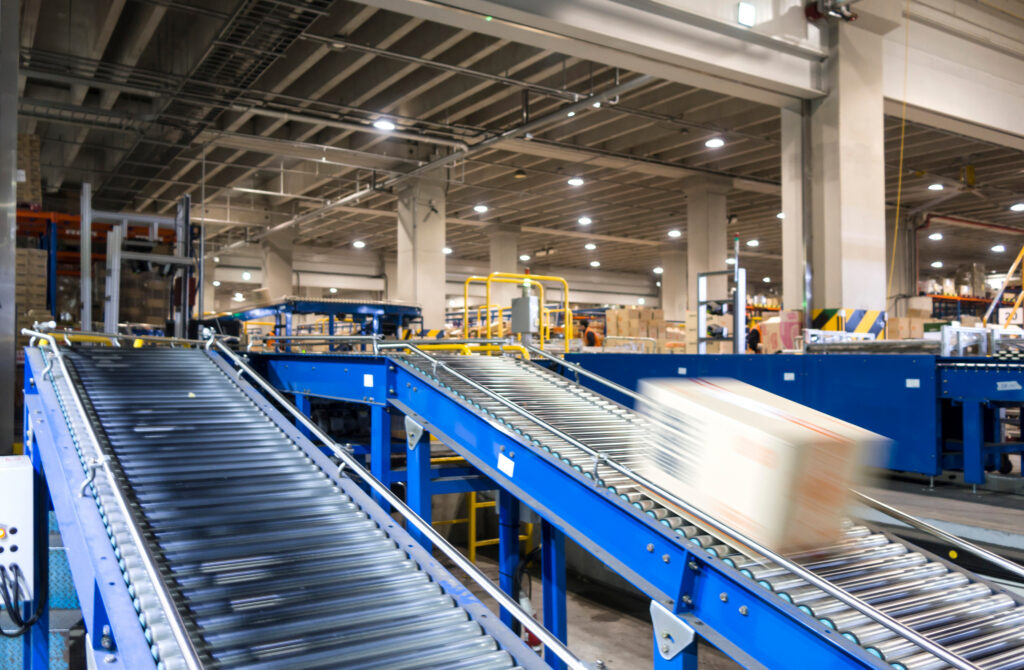
Automation does not operate independently. It depends on the continuous flow of work across the warehouse.
When surrounding processes are not synchronized, automation performance declines.
Common disruptions include:
- uneven work arrival rates
- labor shortages upstream
- congestion in picking or packing zones
- dock delays that block outbound flow
AutoScheduler Warehouse Game

The Hidden Cost of Idle Automation
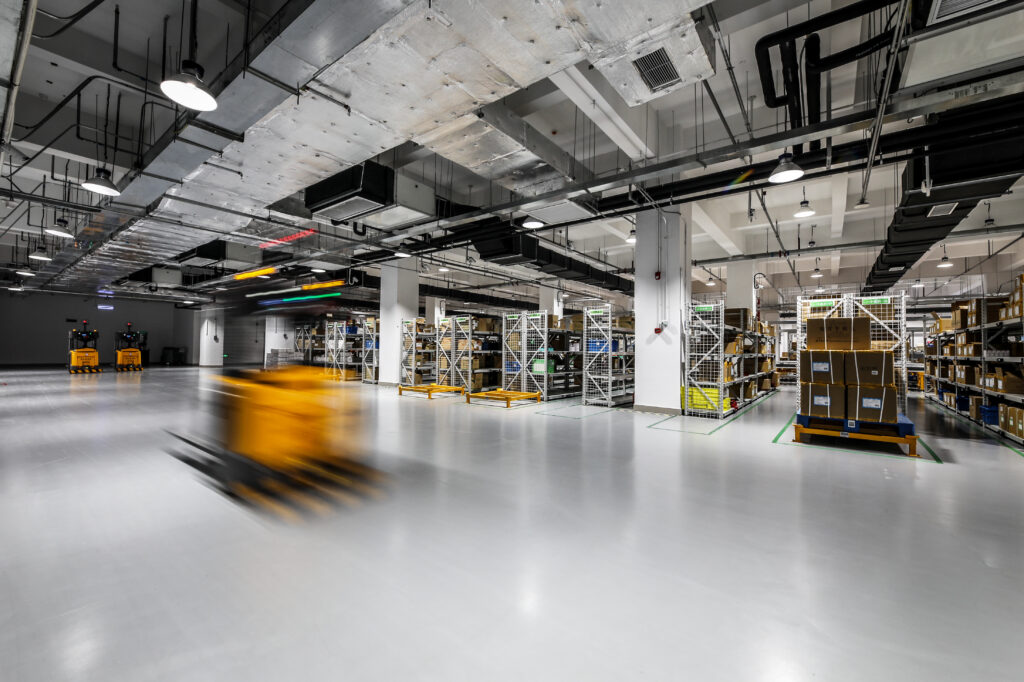
Idle automation is one of the most expensive inefficiencies in modern warehouse operations.
Facilities experiencing poor automation orchestration often see:
- underutilized robotics systems
- throughput instability
- increased manual overrides
- delayed order fulfillment
- reduced return on automation investments
Why Traditional Systems Cannot Coordinate Automation
Most warehouse systems were not designed to coordinate automation and labor together.
Common system limitations include:
Warehouse Management Systems (WMS)
Focus on task execution rather than operational flow.
Automation Control Systems
Optimize individual machines but lack visibility across the entire warehouse.
Manual Coordination
Supervisors attempt to balance work between people and machines manually.
This fragmentation prevents automation from operating at full capacity.
What High-Performing Warehouses Do Differently
Leading operations recognize that automation performance depends on orchestration.
Instead of managing machines and labor separately, they coordinate work across the facility.
This includes dynamically aligning:
- automation capacity
- labor availability
- order sequencing
- inbound and outbound flows
This approach ensures automation supports overall operational throughput.
A New Approach to Automation Orchestration
Modern warehouses are introducing an execution layer that continuously synchronizes warehouse activities.
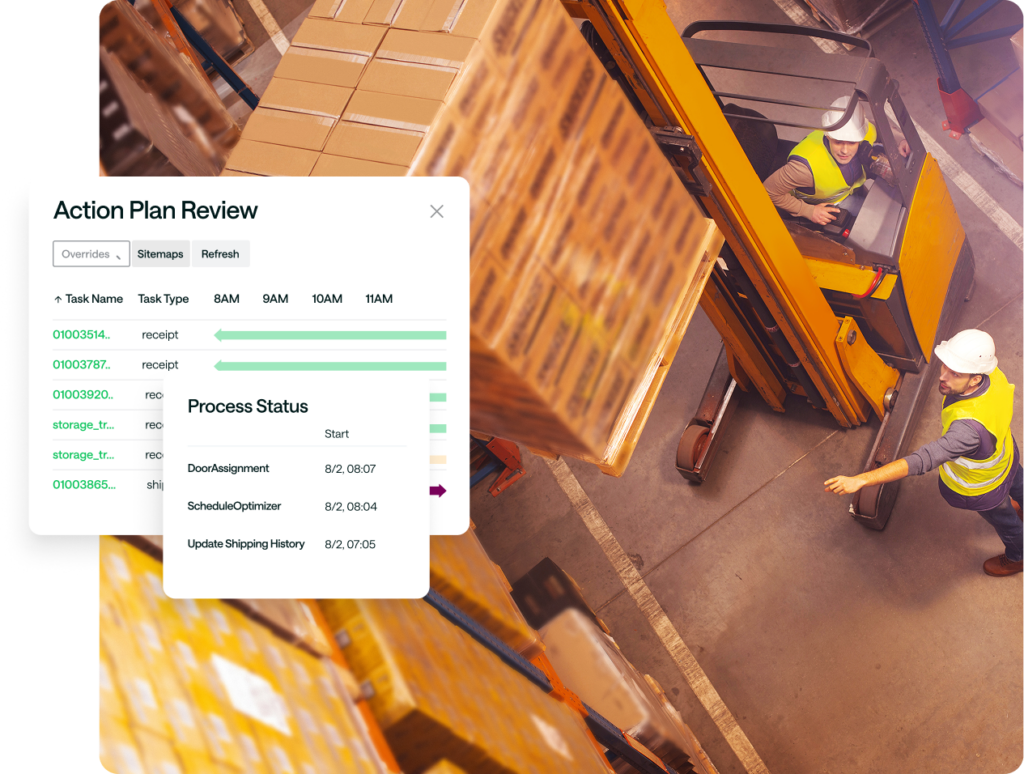
The Warehouse Decision Agent evaluates operational data in real time and ensures automation receives work at the right time, in the right sequence, and at the right volume.
This coordination prevents idle machines while reducing operational congestion.
Meet the Warehouse Decision Agent
Warehouse automation delivers its full value when operational decisions are coordinated across the facility.
The Warehouse Decision Agent continuously aligns labor, inventory flow, and automation capacity to maintain productivity throughout the shift.
Why This Helps
Operational Impact
Organizations improving automation orchestration typically experience measurable improvements including:
higher automation utilization
improved system throughput
fewer manual overrides
smoother operational flow
faster order fulfillment
Automation investments begin delivering their intended productivity gains.
What Our Customers Are Saying
What happens when decisions work together
9-14%
average productivity gains per facility
“It doesn’t matter who is leading the team… You could have a brand-new employee working on an off-shift and have the same information and the same decision-making capability as a 15-20-year employee.”
Warehouse Orchestration Sr Manager
Fortune 100 F&B Company
Frequently Asked Questions
When you’re doing novel things in the supply chain industry, we get many of the same questions pretty frequently. We’ve answered some of them here and are happy to talk about any of them in further detail.
Why does warehouse automation sit idle?
Warehouse automation often sits idle when upstream and downstream workflows are not synchronized. If labor availability, order sequencing, and dock flow are not coordinated with automated systems, machines wait for work or create downstream congestion, reducing throughput and automation utilization.
Why do many warehouse automation projects fail to deliver ROI?
Many warehouse automation projects fail to deliver expected ROI because automation improves individual processes but does not coordinate workflows across the entire warehouse. When labor allocation, inventory flow, and shipping schedules are not aligned, automation systems cannot operate at full capacity.
What is warehouse automation orchestration?
Warehouse automation orchestration is the coordination of automated systems, labor resources, and operational workflows across a warehouse facility. The goal is to ensure that automation receives work at the right time and sequence so machines operate continuously without creating bottlenecks.
How can warehouses improve automation utilization?
Warehouses improve automation utilization by synchronizing labor allocation, order flow, and dock operations with automated systems. When workflows across the warehouse are coordinated in real time, automation systems can operate consistently at higher capacity.
What causes bottlenecks in automated warehouses?
Bottlenecks in automated warehouses typically occur when upstream labor processes or downstream shipping capacity cannot keep pace with automation throughput. Without coordination across the facility, automated systems either wait for work or create queues that slow overall operations.
Ready to Run Smarter?
Every warehouse is unique. Let us help you solve your biggest challenges with solutions tailored to your operations.