
Automation Accelerated the Problem It Was Supposed to Solve

The modern warehouse is witnessing an unprecedented influx of technology. Facilities are adding automation faster than ever, deploying Autonomous Mobile Robots (AMRs), Automated Storage and Retrieval Systems (AS/RS), and high-speed sorters to combat labor shortages and rising costs. On paper, these investments promise a future of seamless efficiency. But on the floor, the reality is often starkly different. Despite billions of dollars poured into “smart” assets, many operations are still run by exhausted managers fighting daily fires. The challenge is not the equipment; robots are generally excellent at the repetitive tasks they were built to perform. The failure lies in the lack of coordination between systems.
Built to Act: How Manufacturers can get ahead

In the modern manufacturing environment, volatility isn’t a seasonal challenge; it’s the baseline.
AI and Automation Transform Forklift Dealers
As warehouses grow more automated and supply chains become more volatile, CIOs are under mounting pressure to transform operational data into real-time, actionable intelligence.
Building Real-Time Intelligence for Warehouses
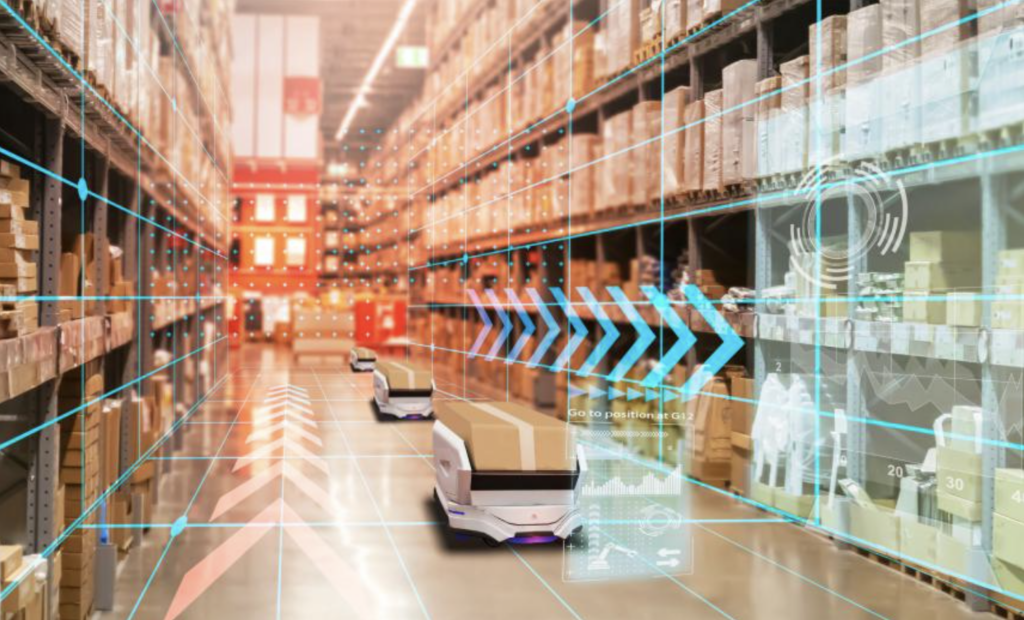
As warehouses grow more automated and supply chains become more volatile, CIOs are under mounting pressure to transform operational data into real-time, actionable intelligence.
Giving Warehouse Systems the Context They’ve Been Missing
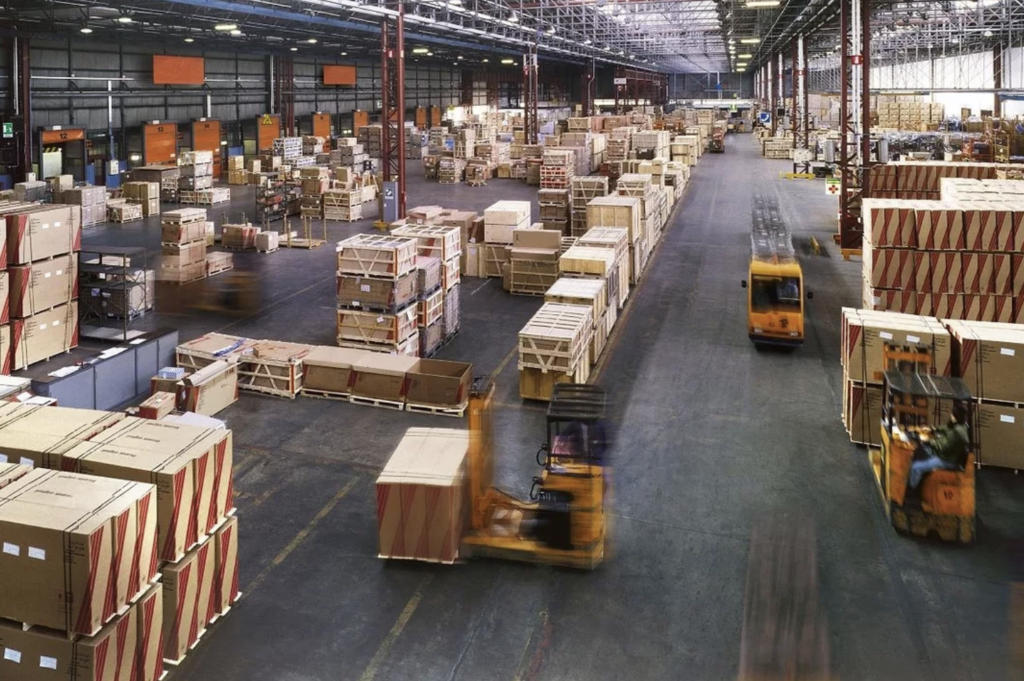
Warehouse management systems are effective at tracking, directing and enforcing processes to keep things running smoothly. However, today’s operations move at a speed and complexity that outpace the WMS’s original purpose. The system isn’t broken; it’s blind. What’s missing is the ability to interpret changing conditions and continuously decide what should happen next.
How AI is Becoming the Brain of the Supply Chain

Traditional supply chain systems (WMS, TMS, ERP, LMS) are great at managing what they are told to manage. The WMS knows where inventory is; the TMS knows the location and movement of truck assets, and the LMS knows who is assigned to each task. But they lack the intelligence to interpret changing conditions in real-time. Artificial intelligence is stepping in to fill that gap, acting as the “brain” that connects planning with execution.
Making Labor Management Predictive, Not Reactive

Labor is a constant constraint in today’s supply chain environments, especially in the warehouse. Volatile demand, labor shortages, and high turnover mean most warehouse managers are in a firefighting mode, shifting people between tasks, adjusting priorities, and scrambling to meet outbound commitments. Agentic artificial intelligence enables operations to anticipate labor needs, identify risk, and align staffing with demand in real time.
Building the Supply Chain Tech Stack
Why supply chain leaders must stack their tools wisely—and how the right configuration can boost visibility, efficiency, and control.
A Smarter, Harder-working LMS
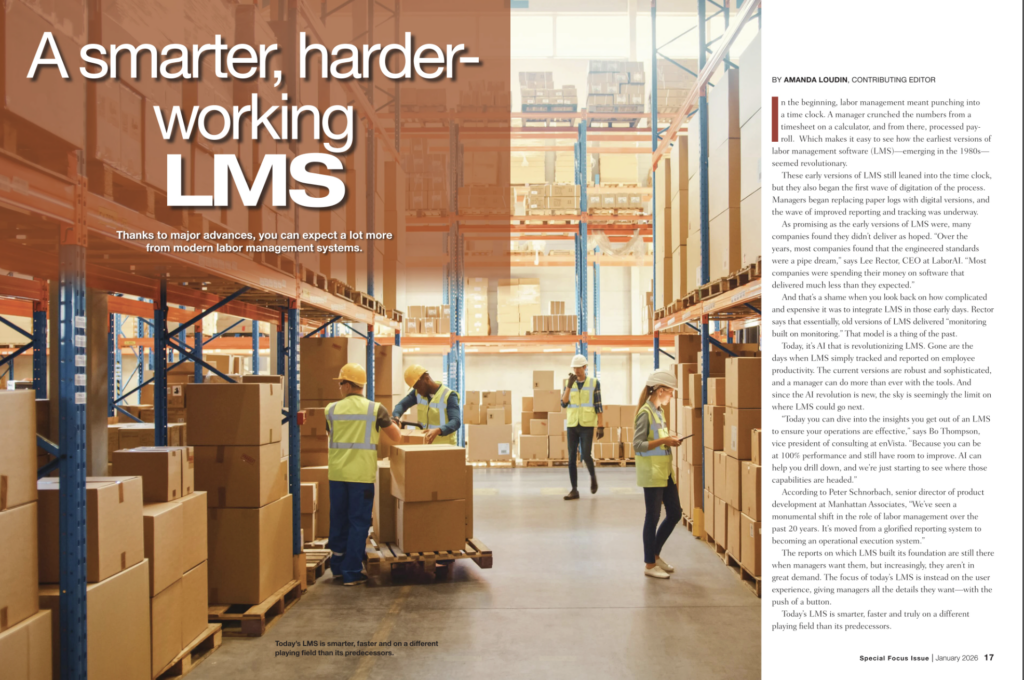
Thanks to major advances, you can expect a lot more from modern labor management systems.
Follow the AI Leaders

Companies of all sizes are scrambling to unlock the benefits of artificial intelligence for their own operations.