
The Perishability Race: Why Food & Beverage Logistics Needs Agentic AI to Prevent WMS Burnout
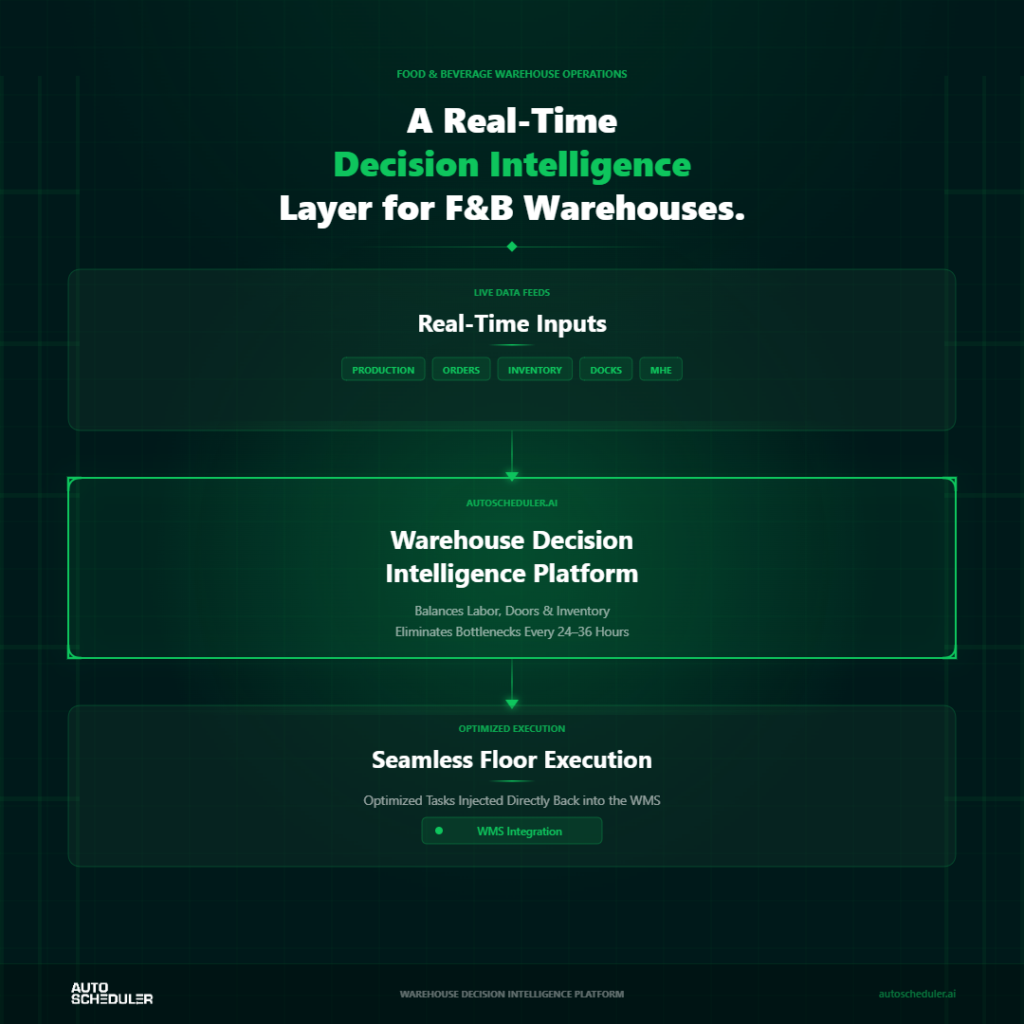
Static WMS plans collapse under F&B volatility. See how a warehouse execution system AI layer cuts overtime up to 14% and boosts throughput 30%.
The Warehouse Decision Overload: Why Static WMS Plans Shatter and How Agentic AI Restores Margins
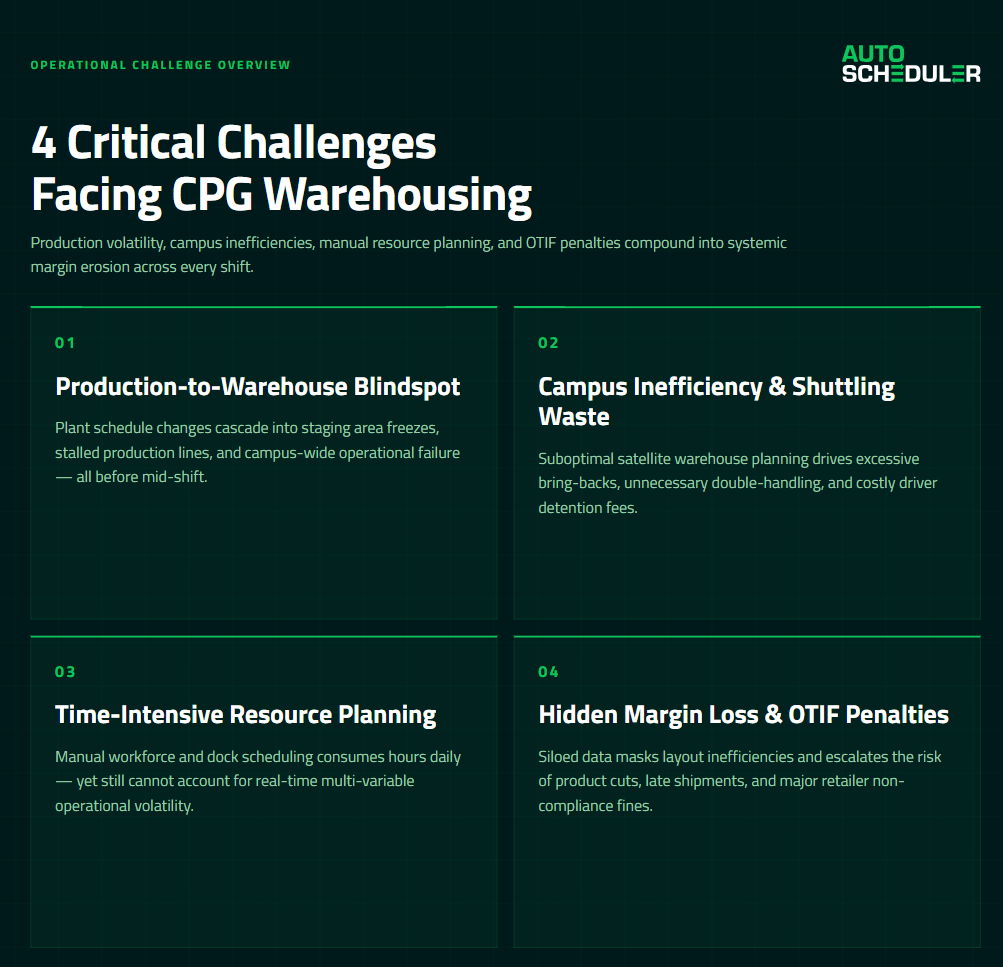
Agentic AI for warehouse operations eliminates CPG volatility. AutoScheduler cuts labor scheduling by 96% and drives $4M+ in audited savings.
The Strategic Blueprint for Successful AI Project Implementation
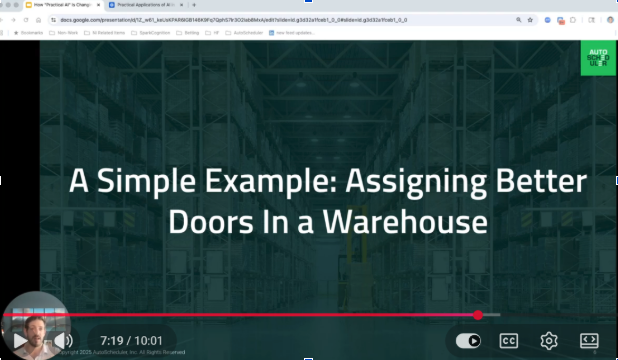
Keith Moore’s AI implementation blueprint for warehousing — scoping projects, avoiding change management traps, and proving ROI.
What Warehouse Teams Ask Their AI Agent
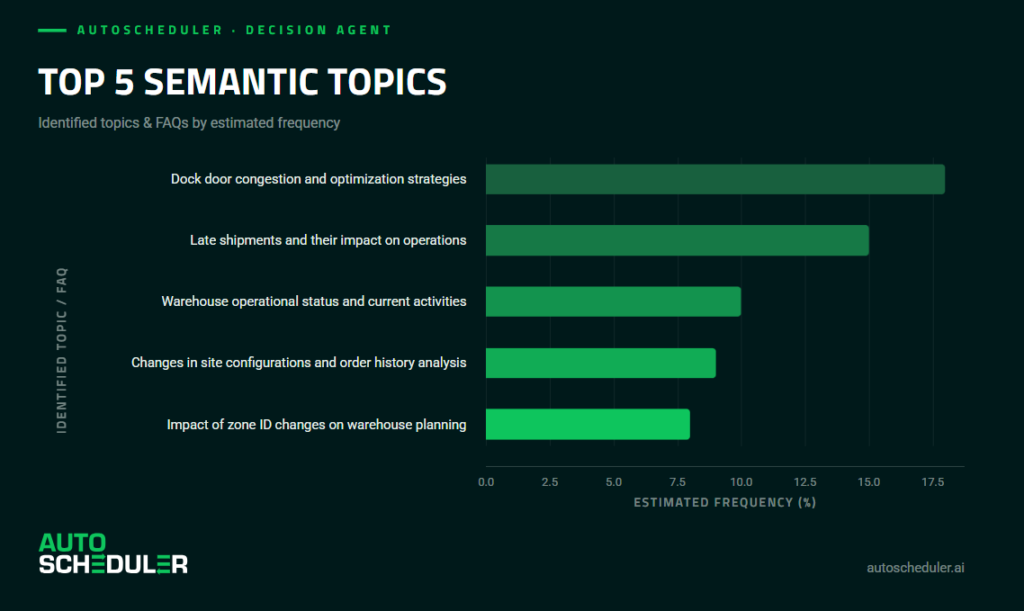
Warehouse teams using the AutoScheduler Decision Agent reveal top pain points: dock scheduling, labor planning, and supply chain disruption.
Real-World Applications of AI in Manufacturing and Warehousing
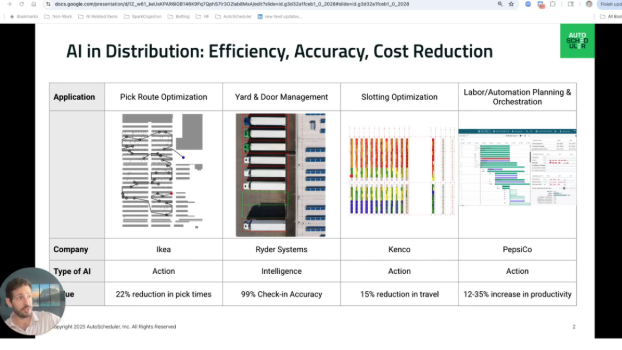
AI layer on top of WMS drives real results at PepsiCo, IKEA, and Nestle — proven use cases for labor scheduling and CPG optimization.
What is Agentic AI in Logistics? Demystifying Warehouse AI and Decision Intelligence
Cut through the AI hype. AutoScheduler.AI CEO Keith Moore breaks down what agentic AI in logistics means — and how a warehouse execution system layer turns WMS data into real-time action.
Kellanova’s 18-Month Warehouse Decision Intelligence Journey
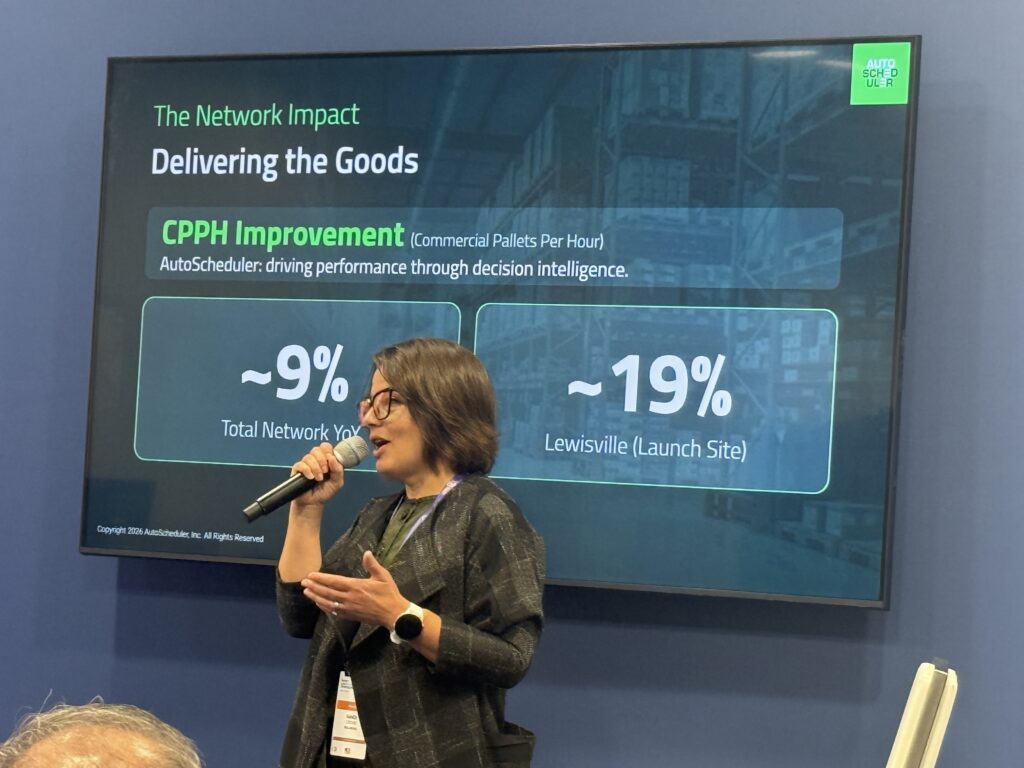
How Kellanova used AutoScheduler to replace tribal knowledge with AI-driven warehouse orchestration, delivering 9% CPPH gains.
The Decision Gap: Why Your WMS Isn’t Enough in the Age of Agentic AI
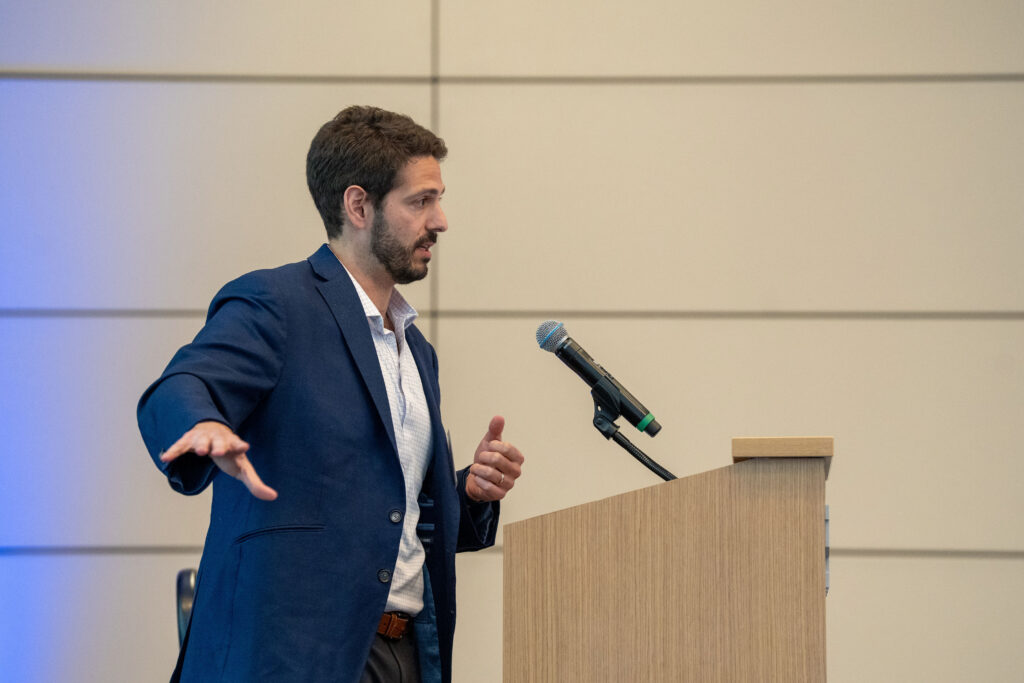
Your WMS tracks inventory, but who’s making decisions? Agentic AI for warehouse operations closes the gap between visibility and action.
Strategic Resource Utilization: Data Benchmarks from the 2026 Warehouse Industry Report
The 2026 Warehouse Industry Report reveals a critical Utilization Blind Spot: 0% of leaders have full real-time visibility.
The Overtime Trap in Warehouse Operations
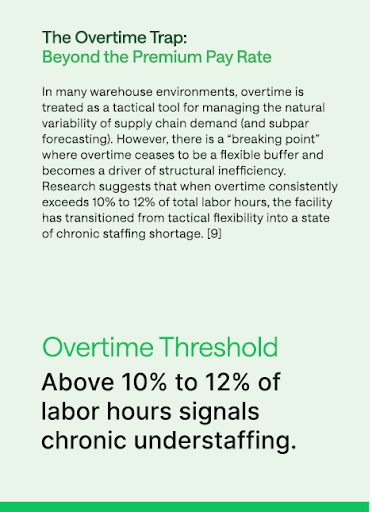
Overtime feels like a safety valve in warehouse operations. Volumes spike, people stay late, and the shift gets through the backlog. But research shows a clear breaking point. When overtime consistently exceeds 10% to 12% of total labor hours, the operation is no longer flexible. It is structurally understaffed.